
The Big Question about Resilience: A panel discussion
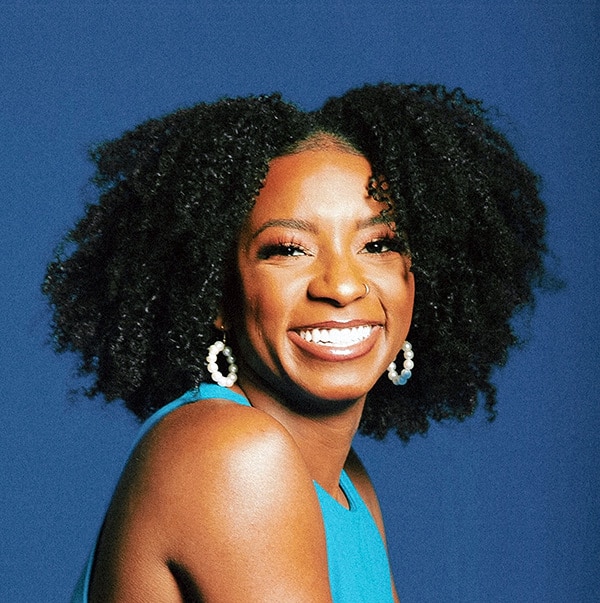
Bria Alexander
DesignOps Curator

Laura Gatewood
Lead Design Program Manager, Central DesignOps, Salesforce

Corey Long
Senior Manager, Design Operations, Adobe

Daniel Orbach
Executive Director of Design, Small Business Credit Card, JP Morgan Chase

Laine Prokay
Principal Design Program Manager, Salesforce

Deanna Smith
Design Program Manager, Adobe Design
Summary
What’s the most important question regarding today’s theme of resilience that we, as a community, need to address? We’ve asked you, you’ve spoken—and now we’ll tackle it with the aid of Bria and some of today’s speakers.
Key Insights
-
•
Resilience in design ops hinges on a flexible mindset and excellent communication within teams (Danielle).
-
•
Kindness and a focus on the experience of people keep teams adaptable and less 'dried out' in changing environments (Laura).
-
•
Influence, built through empathy and demonstrating benefits, is key to design ops success, especially in small teams (Corey).
-
•
Energy management is more critical than time management for sustaining wellness and productivity (Lane).
-
•
Viewing feedback as objective data rather than personal criticism aids resilience and continuous improvement (Deanna).
-
•
Explicit behavioral modeling and communication of norms support personal and professional resilience in teams (Charlotte and Daniel).
-
•
Balancing energizing tasks with tedious ones and knowing when to say no helps preserve wellbeing (Corey).
-
•
Neurodiversity and personality diversity within teams are essential to support different working styles and prevent burnout (Daniel).
-
•
Allowing asynchronous and varied engagement methods in workshops gathers richer input from different personality types (Lane).
-
•
AI is becoming a powerful tool for design ops work by aiding ideation, message drafting, data interpretation, and even team facilitation (panelists).
Notable Quotes
"When I think about resilience, I think about flexibility, like trees that bend in strong winds instead of breaking — that starts with mindset and communication."
"Always approach from a place of kindness and think about the experience you want people to have as the water that keeps trees bendable."
"A lot of design ops impact comes from influence, and influence comes from empathy and showing the benefit of what you are putting out."
"It’s energy management, not time management — listen to yourself rather than comparing your output to others."
"Feedback is data, not personal — once you view it that way, it feels less like criticism and more like improvement information."
"Our behavior is implicit messaging; we need both explicit and implicit signals to support resilience on teams."
"Managing to outcome, not output, lets people own their way of working and leverages their best strengths."
"Supporting different ways people prefer to engage—like asynchronous workshops or prep time—helps introverts and extroverts contribute equally."
"What if we had AI teammates who were on every call and could help moderate, recap, and track time? That future is likely."
"AI is a great tool for drafting and summarizing, but you have to keep your unique voice because that’s what differentiates you."
Or choose a question:
















More Videos

"We actively reduced jargon to make our process accessible for non-designers."
Alexia Cohen Adriane AckermanIncreasing Health Equity and Improving the Service Experience for Under-Served Latine Communities in Arizona
December 4, 2024

"Generally everyone is just cutting right through because that’s the fastest route."
Marc Majers Tony TurnerInterrupted UX - Add A Dose of Reality To Usability Testing
March 11, 2022

"Design is a third way of knowing, different from science and humanities, involving making and artifice."
Jorge ArangoDesign as an Antidote to VUCA
May 9, 2019

"Design your processes around learning. Celebrate especially when you fail—you often learn the most then."
Brenna FallonLearning Over Outcomes
October 24, 2019

"Belonging means understanding the shape, size, and cause of your community and your unique purpose in it."
Daniel GloydWarming the User Experience: Lessons from America's first and most radical human-centered designers
May 9, 2024

"People with disabilities often pay more to buy from stores they trust are accessible and where they feel confident."
Sam ProulxOnline Shopping: Designing an Accessible Experience
October 3, 2023

"We are not replacing teachers; we are enhancing their ability to teach effectively."
Kristin SkinnerFive Years of DesignOps
September 29, 2021

"Every day is a chance to check: is this how I want to be? This is a long-haul, marathon effort."
Denise Jacobs Nancy Douyon Renee Reid Lisa WelchmanInteractive Keynote: Social Change by Design
January 8, 2024

"Double screening combined with a quick pre-session call is my go-to method to verify participants are genuine."
Roberta Dombrowski Lianna Aduana5 Reasons to Bring your Recruiting in House
September 30, 2021








