
Why I Left Research
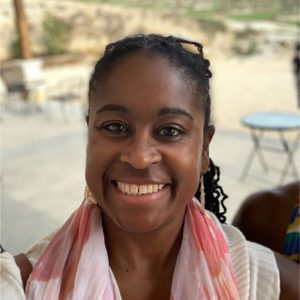
Summary
Key Insights
-
•
Early mentorship and a supportive diverse team were critical to Dr. Norman's initial success in UX research.
-
•
Large tech companies often have majority white, male teams with little diversity recruitment or clear career paths for researchers of color.
-
•
Microaggressions and assumptions about leadership roles can undermine the authority of Black women in UX research.
-
•
Pay inequity persists even when Black women researchers deliver more work and leadership than their white counterparts.
-
•
Startups may posturing about diversity but often replicate exclusionary cultures with favoritism and poor management.
-
•
UX researchers of color frequently take on extra DEI and recruiting responsibilities beyond their official roles.
-
•
Being authentic in the workplace is exhausting when constantly navigating where vulnerability is safe.
-
•
There is a critical lack of data and conversation about the demographic makeup of UX research teams.
-
•
Effective change requires systemic action: consistent bias training, managerial support, diverse recruiting platforms, and accountability tied to reviews and bonuses.
-
•
Embedding DEI into education, onboarding, and continuous team evaluation prepares organizations to be genuinely inclusive.
Notable Quotes
"The best job I ever had was with those two female VPs who believed in me and gave me a chance."
"At Dell, 90% of my design team was white and overwhelmingly male—a sharp contrast from my earlier team."
"I literally would have to jump up in meetings to introduce myself as the director just to be recognized."
"I learned about gross pay equity between me and my white counterpart despite doing more work."
"Startups promised limitless growth but often had cultures of microaggressions, isolation, and favoritism."
"I found myself doing recruiting and DEI work on top of my UX research job—work that wasn’t mine to do."
"You constantly perform calculus every day figuring out where you can be your authentic self."
"We need more co-conspirators who actively use their privilege to interrupt microaggressions and bias."
"There isn’t a pipeline problem; there are people out there—you have to invest in networking and recruiting properly."
"Diversity, equity, inclusion, and belonging goals need to tie into annual reviews and bonuses—it's everybody’s work."
Or choose a question:
















More Videos

"Being humble enough to ask a competitor for feedback changed everything and led directly to job offers."
Corey LongHiring in DesignOps: A Critical Study on How to Hire and Get Hired
September 23, 2024

"Prototyping is not about usability, it’s about exploring the idea."
Gretchen AndersonScaling the Human Center
June 8, 2017

"Down the road, giving designers room to cross-train across disciplines creates happier, more versatile teams."
Lori Muszynski Peter MerholzKeeping Design Weird
October 2, 2023

"Magnification can cover the entire screen two to ten times, and users pan around to see different areas."
Sam ProulxSUS: A System Unusable for Twenty Percent of the Population
June 9, 2021

"Building more ethical, responsible, and humanistic forms of technologies requires diverse and interdisciplinary conversations."
Prayag Narula Rida QadriHCI 2.0: Humanity Deserves the Attention that UX Research has to Offer
March 28, 2023

"We forget a lot of details over time; documentation saves us from repeating mistakes."
Deanna SmithLeading Change with Confidence: Strategies for Optimizing Your Process
September 23, 2024

"Empathic data is the most accessible starting point for people who are not trained researchers."
Lija HoganDoing more with more: Lessons from the Front Lines of Democratization
March 9, 2022
"Accessibility was just a clever trick that some charitable organization or someone who wanted to give back would do almost for fun."
Sam ProulxTo Boldly Go: The New Frontiers of Accessibility
March 11, 2022

"Sponsors bring so much color and so much light into the community."
Bria AlexanderOpening Remarks
October 3, 2023
Latest Books All books








Dig deeper with the Rosenbot
How do pragmatic pluralism and competing paradigms affect maternal health care delivery?
How can storytelling be used to extract deeper insights without being extractive in user research?
Who are natural allies for healthcare UX professionals inside complex healthcare systems, and how do you engage them?