
Research After UX
Summary
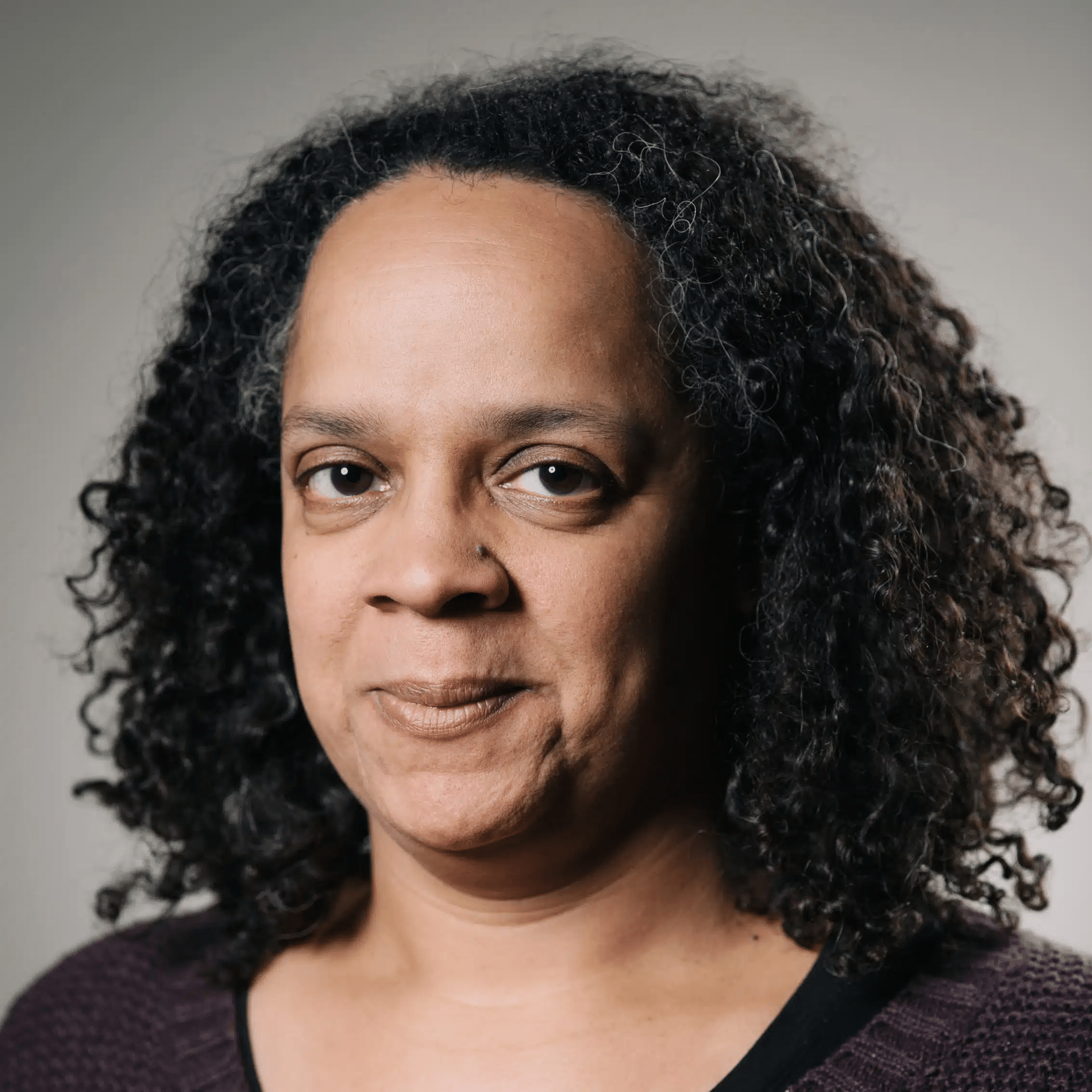
Moving the research function out from UX can transform how insights influence product-making in an organization. In this talk, Nalini explains how and why she led this shift for her team at Salesforce, as well as the move’s effect on their work and impact. Nalini will also share lessons learned in the process - “the how to’s” and the “absolutely how not to’s” - that may inspire and guide leaders and individual contributors alike.
Key Insights
-
•
Decoupling research from UX can provide researchers with more agency to frame broader business problems beyond design.
-
•
Identity work is a fundamental challenge when moving research out of UX, requiring careful leadership attention.
-
•
Playing the long game through persistent business case building and internal socialization is essential for organizational change.
-
•
Research teams positioned alongside product management, engineering, and data science gain higher visibility and influence.
-
•
Measuring research impact becomes more complex but broader, shifting from simple metrics like study counts to influence and strategic involvement.
-
•
Research operations functions are crucial infrastructure that enable scalable, efficient research beyond UX.
-
•
Control over budget and headcount advocacy improves significantly when research reports outside UX.
-
•
COVID-19 amplified issues around identity and belonging for team members during organizational transitions.
-
•
In B2B companies like Salesforce, much product decision-making happens before UX, necessitating research involvement earlier in the lifecycle.
-
•
Providing reassurance and support for new research skills helps ease team anxieties during structural changes.
Notable Quotes
"What happens if research does not report into UX? What might happen if we uncouple research from UX?"
"We made this move in January 2020 — our research and insights team moved out of UX but stayed within product organizations."
"Conscious uncoupling is about identity — how one thinks of oneself defines oneself and how others define you."
"I believed we could do more — more for the company, customers, stakeholders, and ourselves if we had more agency."
"Our research practice was perceived largely as design testers, empathy vehicles, and policing functions — a narrow, reactive role."
"After the move, our work had more impact, more visibility, and we're present across the entire product life cycle."
"Research operations is the spine of any successful research and insights group."
"For the first time, I was able to advocate for funding directly for the research function at high executive levels."
"I underestimated how much identity our team tied to UX and how scary that loss felt to many of them."
"Our shift is structural, not because of personalities — it was needed to influence earlier, more business-centric decisions."
Or choose a question:
















More Videos

"Relinquishing control over implementation empowered community-driven solutions and fostered lasting trust."
Alexia Cohen Adriane AckermanIncreasing Health Equity and Improving the Service Experience for Under-Served Latine Communities in Arizona
December 4, 2024

"If you begin to add interruption, you’ll see a big difference in what comes out of that study."
Marc Majers Tony TurnerInterrupted UX - Add A Dose of Reality To Usability Testing
March 11, 2022

"VUCA stands for volatility, uncertainty, complexity, and ambiguity."
Jorge ArangoDesign as an Antidote to VUCA
May 9, 2019

"Growth and learning is your long term change management plan—does it take letting go of a clear outcome? Yes, but it’s worth the leap."
Brenna FallonLearning Over Outcomes
October 24, 2019

"The Shakers’ principled approach to design was a precursor to Bauhaus’s form follows function and today’s user-centered values."
Daniel GloydWarming the User Experience: Lessons from America's first and most radical human-centered designers
May 9, 2024

"Sometimes accessibility isn’t perfect, but consistency lets me shop on Amazon in my sleep because of muscle memory."
Sam ProulxOnline Shopping: Designing an Accessible Experience
October 3, 2023

"The future of education lies in collaboration and adaptation."
Kristin SkinnerFive Years of DesignOps
September 29, 2021

"I appreciate your allyship when I'm in the room, but I appreciate it more when I'm not in the room."
Denise Jacobs Nancy Douyon Renee Reid Lisa WelchmanInteractive Keynote: Social Change by Design
January 8, 2024

"Keeping communication fluid with participants until the moderated session keeps them engaged and less likely to forget."
Roberta Dombrowski Lianna Aduana5 Reasons to Bring your Recruiting in House
September 30, 2021








