
Inclusive Research: Debunking Myths and Getting Started

Summary
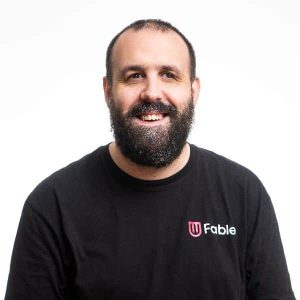
Ever heard that accessibility research is too expensive? Too time-consuming? Or that you need a massive sample size to see real insights? These misconceptions stop too many UX researchers from taking the first step toward inclusive design. But here’s the truth: accessibility research is often simpler, faster, and more impactful than you think. In this interactive session, Samuel Proulx, Accessibility Evangelist at Fable, will demonstrate the actual reality behind the biggest myths that hold teams back, through a hands-on look at what accessibility research actually looks like. You’ll experience a real research interview with an assistive technology user and gain practical insights into how Fable’s UX researchers prepare for and conduct accessibility studies. By the end of this session, you’ll see that getting started doesn’t require a huge budget, complex logistics, or a massive sample size, just the willingness to take the first step. Join us to demystify accessibility research and leave empowered to integrate it into your own work.
Key Insights
-
•
Heading structure is critical for screen reader users to orient themselves, as headings act like a table of contents.
-
•
Screen reader users rely heavily on detailed alt text and product descriptions to understand items, especially for complex products like spices.
-
•
Hover menus are often inaccessible because keyboard and screen reader users cannot reveal submenu items that appear only on mouse hover.
-
•
Effective accessibility research requires participants who talk aloud and verbalize their screen reader interactions to provide clear feedback.
-
•
Researchers need training to avoid interrupting or overlapping with screen reader voices during live sessions.
-
•
There must be flexibility in research sessions to respond to participant distress or usability roadblocks instead of rigidly following scripts.
-
•
A robotic, high-speed screen reader voice is preferred by blind users for faster content consumption compared to natural-sounding voices.
-
•
Fable offers a subscription-based platform that streamlines recruiting screen reader users for ongoing accessibility research with quick turnaround.
-
•
Verbal confirmations from researchers during sessions validate participant input without disrupting their navigation or flow.
-
•
Building rapport and a relaxed atmosphere helps ease participants’ frustrations and encourages honest, valuable feedback.
Notable Quotes
"I kind of use headings to get an overview of what's on a page, like a table of contents."
"When I pressed enter it said product added to cart, but I had to check if it was actually the right product."
"Ideally it should say about collapsed and then you press enter and it says expanded, so you know more options are available."
"I use a very robotic kind of unnatural sounding voice because I want to listen as fast as possible for efficiency."
"Participants who do this kind of research are happy to answer questions about how they use assistive technology."
"You have to avoid speaking when the screen reader is speaking, which takes some training to get used to."
"If distress does happen in sessions, it’s easier to talk through it using humor or a personable approach."
"Hover menus reveal options on mouse hover, which isn't accessible to keyboard or screen reader users."
"Not every task has to be completed; if a participant can’t find a way, that means the experience can be improved."
"Ongoing accessibility research is essential because the product is always changing, and new things always need testing."
Or choose a question:















More Videos

"Community-centered design allowed us to uplift the value of lived experience and embed it directly into budgeting."
Alexia Cohen Adriane AckermanIncreasing Health Equity and Improving the Service Experience for Under-Served Latine Communities in Arizona
December 4, 2024

"The timing is key—you want to interrupt them when they are in that flow state."
Marc Majers Tony TurnerInterrupted UX - Add A Dose of Reality To Usability Testing
March 11, 2022

"Designers set out to resolve ill-defined problems using abductive thinking — making things that we know are kind of wrong to test solutions."
Jorge ArangoDesign as an Antidote to VUCA
May 9, 2019

"Engineers spending 40 to 50% of their time building prototypes for research studies don’t have launch metrics to show for promotions."
Brenna FallonLearning Over Outcomes
October 24, 2019

"Psychological warmth and physical warmth activate the same part of the brain, the insula."
Daniel GloydWarming the User Experience: Lessons from America's first and most radical human-centered designers
May 9, 2024

"Involving people with disabilities from the start reveals impact and usability issues that automated testing simply cannot catch."
Sam ProulxOnline Shopping: Designing an Accessible Experience
October 3, 2023

"We are not replacing teachers; we are enhancing their ability to teach effectively."
Kristin SkinnerFive Years of DesignOps
September 29, 2021

"I appreciate your allyship when I'm in the room, but I appreciate it more when I'm not in the room."
Denise Jacobs Nancy Douyon Renee Reid Lisa WelchmanInteractive Keynote: Social Change by Design
January 8, 2024

"Sometimes the screening can be done incorrectly by panels, which leads to wasted time and potential data issues."
Roberta Dombrowski Lianna Aduana5 Reasons to Bring your Recruiting in House
September 30, 2021








