
Welcome
Summary
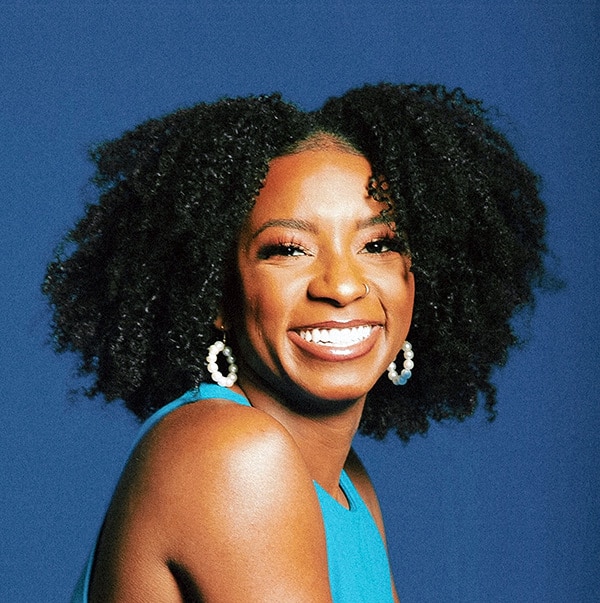
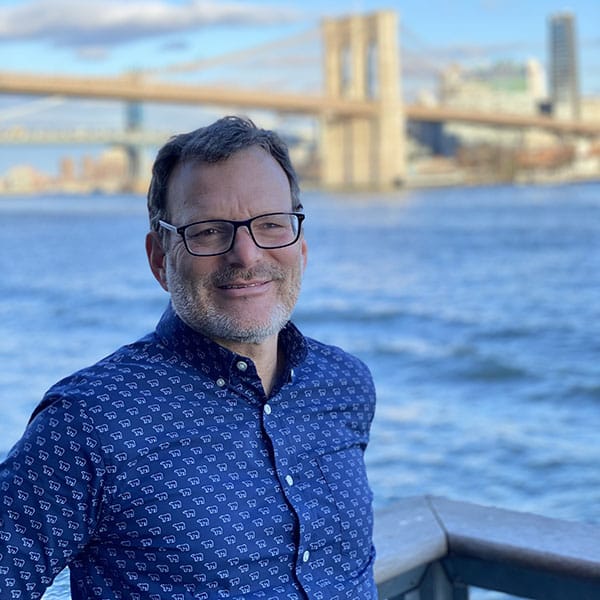
In this opening talk for the 2022 Design Ops Summit, Lou Rosenfeld from Rosenfeld Media reflects on the evolution of design operations since Dave Malouf coined the term in 2017. The overarching theme of this year's summit is clarity, although the event also highlights tooling, accessibility, inclusivity, and the growing role of design ops as design management. Lou introduced Bria Alexander, an accomplished Adobe design ops leader and co-curator alongside John Fukuda, Sarah Compari Miller, and Fareed Sabatov. Together, they organized a condensed two-day summit structured around four key themes: growing successful design operations, scaling design organizations, building inclusive design ops practices, and envisioning the future of design operations. Attendees from over 600 global participants connect through Slack channels and engage with both main program and sponsor sessions, which are free and open to everyone. The community aspect is strongly emphasized, encouraging networking, cohort collaboration, and active participation. The summit offers extensive resources including session recordings, slide decks, and sketchnotes by MJ Broadbent, a seasoned graphic facilitator. Rosenfeld Media also underscores the importance of a safe, respectful environment underpinned by a clear code of conduct. The event leverages virtual formats, social events, and interactive Q&A opportunities to build a vibrant, inclusive practice community despite physical distance.
Key Insights
-
•
Design Ops has matured significantly since its term was coined in 2017 by Dave Malouf.
-
•
The central theme of the 2022 summit is clarity, reflecting both practice growth and self-reflection among practitioners.
-
•
The summit unites 613 participants globally, highlighting the diversity of backgrounds and design operations journeys.
-
•
Bria Alexander plays a key role as both MC and curator, supported by John Fukuda, Sarah Compari Miller, and Fareed Sabatov.
-
•
Four key themes structure the summit: growth, scaling, inclusivity, and the future of design operations.
-
•
Sponsor sessions provide free, high-quality, non-sales content accessible to anyone interested in Design Ops.
-
•
Slack channels act as the main hub for interaction, networking, cohort discussions, and customer support.
-
•
Resources like videos, slide decks, and expert sketchnotes by MJ Broadbent are made promptly available, reducing note-taking pressure.
-
•
A strong focus on community kindness, safety, and inclusion is maintained through a publicly accessible code of conduct.
-
•
The digital swag bag and social activities, such as games sponsored by Verizon, enhance virtual engagement and community bonding.
Notable Quotes
"It seemed just like yesterday that I was talking with Dave Malouf. He dropped that term design ops on me."
"The theme is clarity. But really I’m gonna say the theme is you — the 613 people from all over the planet."
"You bring energy that blows me away. I’m so excited by your excitement."
"The conference is your annual opportunity to get to know each other and to step back together and amplify the power of design."
"Sponsor sessions are not sales pitches. They offer incredibly high-quality content and are free to anyone to attend."
"Slack is the heart and soul of this conference, where the most intimate interactions happen."
"MJ Broadbent’s sketchnotes are absolutely outstanding. You really do not have to take notes yourself."
"There’s no need to take notes. All session materials and videos will be shared quickly after presentations."
"Even though we’re virtual, we are still a community and obligated to treat each other with kindness and respect."
"Please read our code of conduct. Every participant should feel safe, included, and welcome."
Or choose a question:














More Videos

"Sometimes the solution perceives the problem in the eyes of users, especially in enterprise spaces."
Alexandra SchmidtEnterprise UX Playbook
December 1, 2022

"Our offices have stand-up desks, nice collaboration areas, and comfy seating with a fresh, on-brand look."
Jen Crim Jess Quittner Saritha Kattekola Alex Karr Gurbani PahwaCulture, DIBS & Recruiting
June 11, 2021

"Leadership doesn’t necessarily mean managing people; it means scaling impact through teaching, training, and setting examples."
Christian CrumlishAMA with Christian Crumlish, author of Product Management for UX People
March 24, 2022

"Referrals encourage sameness because we tend to refer people who look and think like us."
Libby MaurerTreating Diversity & Inclusion in Hiring as a Design Problem
December 5, 2019

"Green spaces are not luxuries—they're necessities for urban life."
Ali Jeffery Sheri ChudowHow DesignOps Helped Enable Wall Street to Work Remotely
October 22, 2020

"No role exists in isolation, said Fred Rogers, emphasizing interconnectedness beyond the individual."
Daniel GloydDesigning From the Inside Out: How Method Acting Can Inspire Design Research
February 12, 2026

"The future of education lies in collaboration and adaptation."
Kristin SkinnerFive Years of DesignOps
September 29, 2021

"Research was completely evaluative and tactical, positioned as serving design by validating wireframes and high fidelity prototypes."
Johanna KollmannInsights-Driven Product Strategy: Get your Research to Count
December 6, 2022

"Friction isn’t just annoying; it’s a force that reshapes behavior and can slow or stop user flow."
David SternbergUncovering the hidden forces shaping user behavior
July 17, 2025








