
The Bigger Picture: A Panel Discussion




Summary
- Proving value and measuring outcomes
- Partnering outside design
- Change management
Key Insights
-
•
Acting like a designer using familiar tools and processes is key for design ops professionals to gain trust within design teams, as Rachel Posman explains with journey mapping at Uber Eats.
-
•
Crystal Leon highlights the importance of creating shared language tied to company values, such as expanding 'data-driven' to include qualitative insights, to demonstrate design value across organizations.
-
•
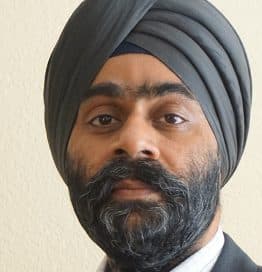
Gneets Singh advises defining value specifically by understanding the audience and prioritizing influence and adoption metrics over hard-dollar impact, acknowledging design’s indirect contribution.
-
•
Jose Coronado shares the need to balance quantitative and qualitative metrics, adapting vocabulary (e.g., using 'satisfaction' in place of 'delight') to align with partner sensitivities in conservative environments.
-
•
Measuring impact is a journey requiring persistent, multi-channel communication and contextualization across distributed, global teams, with repetition key to embedding understanding.
-
•
Partnership success emerges from starting small, picking one advocate inside another team to build relationships and replicate collaborative wins, as suggested by Gneets and Rachel.
-
•
Breaking design research workshops into smaller, repeated activities helps non-designers incrementally engage, build empathy, and appreciate design processes, according to Crystal.
-
•
Role proliferation in design teams (product designers, service designers, content strategists) can cause confusion outside the team; clear communication of value per partner perspective is critical, as Jose notes.
-
•
Teams that collaboratively co-create design principles with leadership see greater adoption and normalization of design thinking language across the organization, as Jose illustrates.
-
•
Empowering and leveraging 'loud, trusted' influencers on teams can dramatically accelerate change management and process adoption, as Rachel observes from her experience.
Notable Quotes
"One of the easiest ways to gain trust is really to talk and think and act like a designer or a researcher if I’m joining a research team."
"We are still designers, we’re systems designers, we’re organizational designers, even if we’re not making things."
"I talk about being data driven and expanding the definition of data to include both quantitative data and qualitative data."
"Nobody’s going to ask to show you the $10,000 impact from a single design, but you can show the needle movement was there."
"People in our environment had an allergic reaction to happiness or delight, so we used sentiment or satisfaction instead."
"Put feelings into the data by talking to sales and after sales, understanding customer experience before and after product launches."
"Start small to make a big impact by building one advocate relationship and then replicating the success."
"Breaking up design research training into short exercises over time helps get people out of the building and engaged."
"We set up a design-led workshop with all leaders to craft what design-driven meant for our organization, leading to it becoming everyday language."
"Find the loudest respected person on the team and get their buy-in; they can fast track weeks of work in getting everyone else on board."
Or choose a question:















More Videos

"Many organizations silo data inputs and prioritize within categories before combining results."
Mark Interrante Harry MaxAI for Prioritization (3rd of 3 seminars)
July 11, 2024

"What if we are optimizing ourselves into relevance?"
Patrizia BertiniThe (r)evolution of designOps: It’s Time to Think (really) BIG
September 11, 2025

"Not knowing what something is called or what a newly inflated word means introduces confusion and causes people to talk across purposes."
Shan ShenTranslating UX Terms into Business Contexts
November 29, 2023

"You have to ask, what are we deciding, and what are we quitting, on a regular basis."
Adam ThomasSurvival Metrics – Making Change in a Fast, Data-Informed, and Politically Safe Way
December 6, 2022

"Experiential significance is that moment in research when something just hits you as really important and impossible to ignore."
Robin BeersResearch as a Catalyst for Organizational Transformation
March 12, 2021

"Getting something accessible is a straight line; keeping something accessible requires process change."
Sheri Byrne-HaberAccessibility at Scale
June 9, 2021

"Design shares are more about presenting finished work and practice defending it, not about peer-to-peer feedback."
Joseph MeersmanSweating the Pixel: Scaling Quality through Critique
June 10, 2021

"Don't reinvent the wheel all the time; build on top of what others have built."
Deanna Washington Bria Alexander Jon Fukuda Saara Kamppari-Miller Farid SabitovConnecting the Ops: Plenary Panel and Closing Circle
September 9, 2022

"Iterative engagement models mean we test, learn, and adapt rather than seeking a perfect solution from the start."
Aaron Stienstra Lashanda HodgeLeveraging Civic Design to Advance Equity and Rebuild Trust in the US Federal Government
December 8, 2021
Latest Books All books






Dig deeper with the Rosenbot
How can barriers like childcare and internet access be addressed to promote equitable participation?
How can teams create lightweight visibility systems that improve workload transparency without reducing productivity?
What are the financial barriers preventing birth centers from operating sustainably in rural areas?